

What is curing
Why Is Concrete Curing Essential?
Curing maintains suitable moisture, temperature, and time conditions, allowing concrete to develop its required strength and durability. This process supports the chemical reaction between cement and water, enabling concrete to achieve its intended performance and structural reliability.
When cement combines with water, hydration begins. Inadequate curing can prevent concrete from achieving its designed strength, potentially compromising structural integrity and increasing the likelihood of surface cracks.
Why it matters
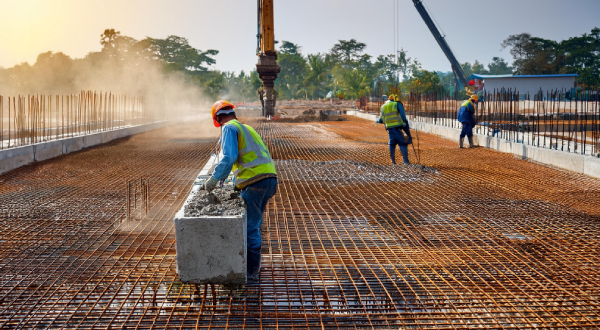
Importance of curing
Strengthens Concrete from Within
Curing supports hydration, allowing concrete to progressively develop the strength required for dependable structural performance.
Minimises Surface Cracking
Effective curing limits cracks associated with moisture loss and shrinkage, helping preserve concrete integrity.
Enhances Long-Term Durability
Curing reduces porosity, improving concrete's resistance to water penetration and environmental exposure.
Preserves Surface Quality
Curing helps maintain a consistent surface finish, reducing visible defects and enhancing overall construction quality.

Methods
Methods for Effective Concrete Curing
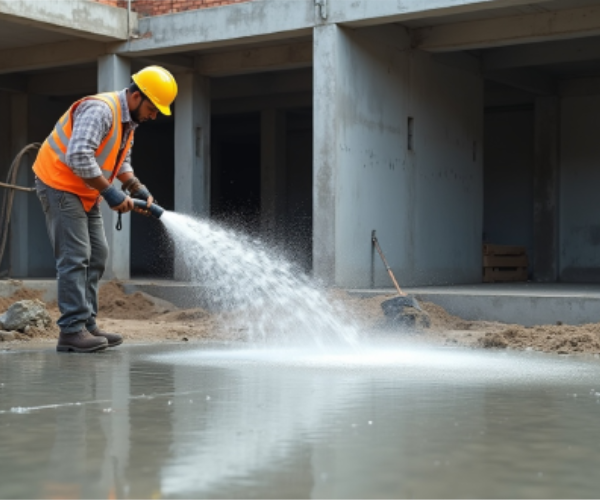
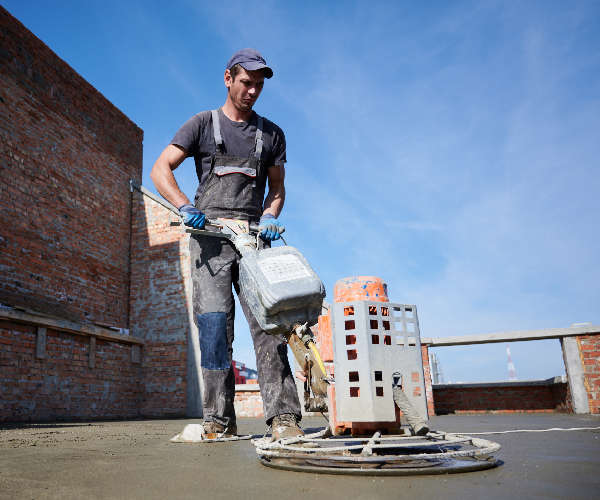
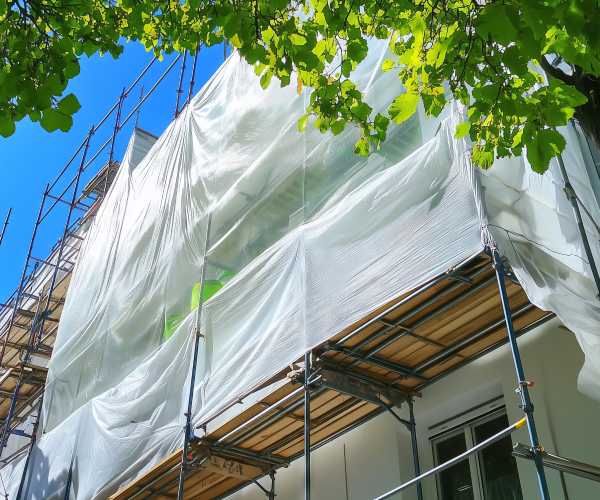
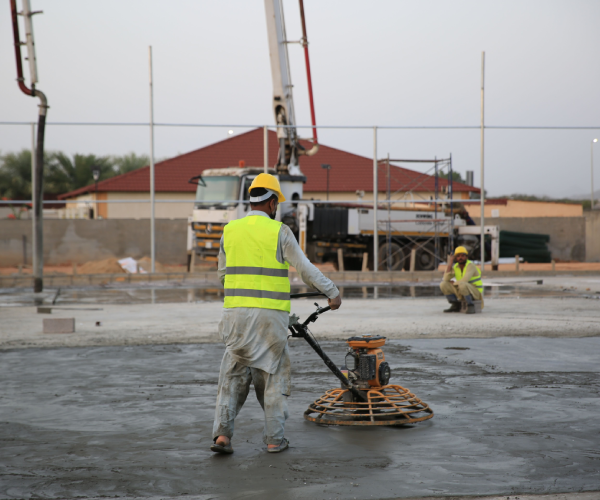
Concrete curing can be accomplished through several techniques. The appropriate method depends on environmental conditions, concrete composition, and individual project requirements.
Concrete Curing Temperature
Concrete curing generally requires suitable temperature control, ideally within a range of 10°C to 30°C. Below 10°C, hydration slows considerably. Above 30°C, moisture may evaporate rapidly. Cold conditions may require additional curing time or heating, while warmer conditions demand consistent moisture management.
The Consequences of Inadequate Curing
- Reduced Strength : Leaves concrete structurally weaker.
- Surface Cracking : Results from excessive moisture loss.
- Lower Durability : Increases vulnerability to weather and chemical exposure.
- Surface Irregularities : Leads to discoloration and visible defects.
Common Curing Errors to Prevent
- Delayed Curing : Begin when the concrete surface can withstand the curing method.
- Insufficient Moisture : Interrupts hydration and strength development.
- Heat and Wind Exposure : Accelerates surface moisture evaporation.
- Premature Cessation : Restricts the development of required concrete strength.
Common Curing Problems to Avoid
- Late Initiation : Start curing at the appropriate stage after placement.
- Inadequate Moisture : Restricts the hydration process.
- Excessive Heat and Wind : Accelerates moisture evaporation from exposed surfaces.
- Insufficient Duration : Limits concrete's ultimate strength development.
The Role of Additives
- Delayed Curing : Begin when the concrete surface can withstand the curing method.
- Insufficient Moisture : Interrupts hydration and strength development.
- Heat and Wind Exposure : Accelerates surface moisture evaporation.
- Premature Cessation : Restricts the development of required concrete strength.
Curing for Roads and Bridges
- Delayed Curing : Begin when the concrete surface can withstand the curing method.
- Insufficient Moisture : Interrupts hydration and strength development.
- Heat and Wind Exposure : Accelerates surface moisture evaporation.
- Premature Cessation : Restricts the development of required concrete strength.
Advanced Curing for Large-Scale Infrastructure
Continuous Moisture Management
Regular monitoring and controlled water or steam application support consistent hydration across extensive concrete surfaces.
Temperature-Regulated Curing
Insulated blankets help maintain suitable concrete temperatures in colder climates, supporting reliable strength development.
Precision-Controlled Environments
Specialised curing chambers support consistent quality and efficient production of precast concrete components.
Documentation
Get the curing record form
Keep a record of curing dates and methods for quality audits. Ask our team and we will share the form.
FAQs
Expert Answers on Concrete Curing
Explore essential guidance on concrete curing, moisture management, temperature control, strength development, and recommended practices for achieving lasting structural durability.
When Should Concrete Curing Begin?
Curing should commence as soon as the concrete surface can withstand the selected method without damage. The appropriate timing depends on the concrete mix, placement conditions, and surface setting.
How Long Does Concrete Require Curing?
Concrete generally requires at least seven days of curing under suitable conditions, although the recommended duration depends on cement type, mix design, weather, and specified performance requirements.
Can Concrete Be Cured Without Water?
Yes. Suitable curing compounds or plastic membranes can retain moisture within concrete. However, water curing remains a widely used and economical method when site conditions permit.
What Conditions Support Effective Concrete Curing?
Suitable temperature and consistent moisture are essential for effective curing. A range of 10°C to 30°C is ideal; conditions outside this range may require additional measures to support hydration.