

What are cracks
What Causes Concrete to Develop Cracks?
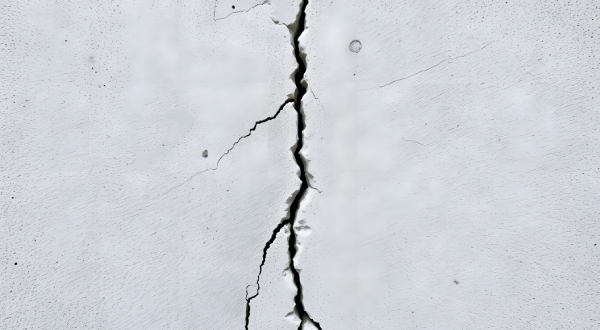
Concrete cracks are fractures that develop within concrete structures over time due to various underlying factors. They may appear across floors, walls, pavements, and other structural elements, affecting both the appearance and long-term durability of the construction.
Cracks vary in shape and severity; some remain superficial, while others may compromise structural load-bearing capacity. Identifying the specific crack type is essential for selecting an appropriate and effective repair method.
Causes
Primary Factors Behind Concrete Cracking
Drying Shrinkage
Concrete shrinks as moisture evaporates during drying, potentially developing cracks when adequate expansion provisions are absent across larger slabs.
Excessive Loading
Excessive loads imposed on concrete structures may trigger cracking. This commonly occurs across pavements and flooring subjected to heavy traffic.
Thermal Stress
Temperature variations cause concrete to expand or contract. Sudden fluctuations can generate internal stresses within the structure, eventually resulting in cracks.
Incorrect Mix Proportions
An improperly proportioned concrete mix, particularly one containing excess water, can increase the likelihood of cracking during the curing process.
Ground Settlement
When the soil beneath a concrete slab settles unevenly, foundation movement can create cracks across the concrete surface.
Inadequate Curing
Insufficient curing accelerates moisture loss, restricts strength development, and increases the likelihood of surface and internal cracking. Read about curing
Types
Understanding Different Concrete Crack Types
Concrete structures can develop several crack types, each revealing potential information about the underlying cause and associated structural concerns.
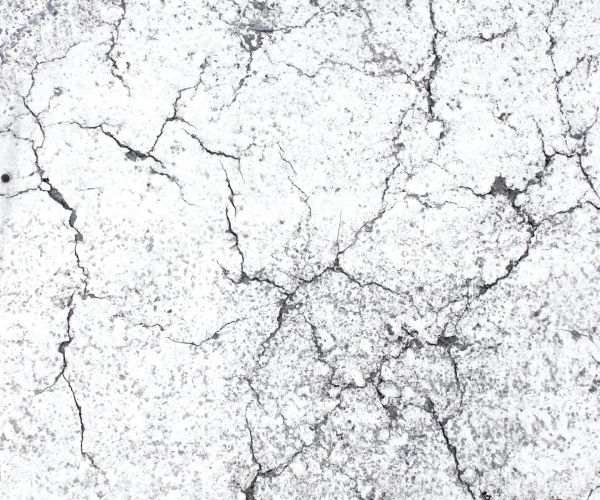
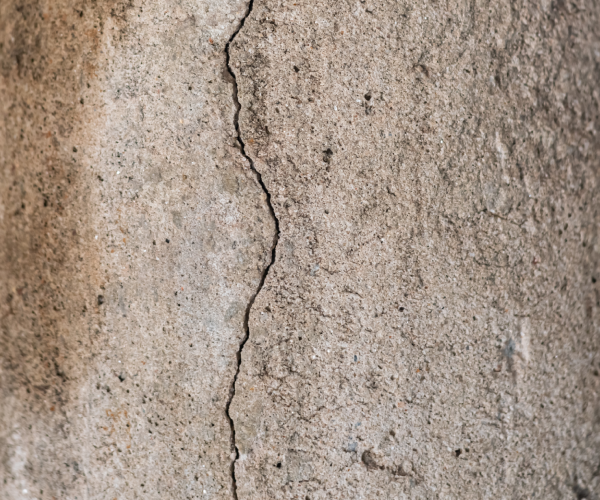
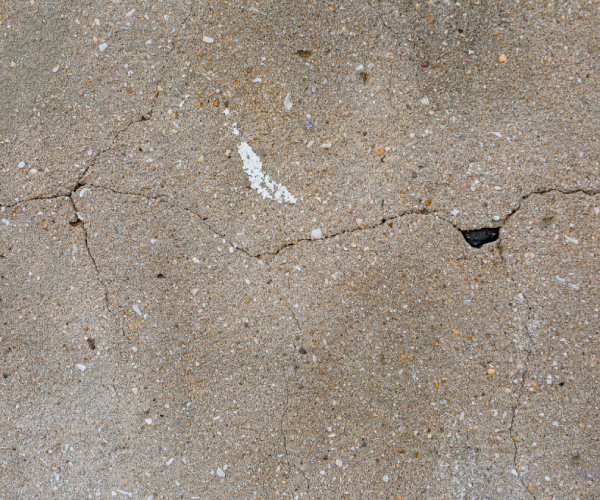
Fine surface fissures caused by drying shrinkage. Often cosmetic; seal them to prevent water ingress.
Deep, widening, or expanding cracks. They may compromise load-bearing capacity and require professional evaluation.
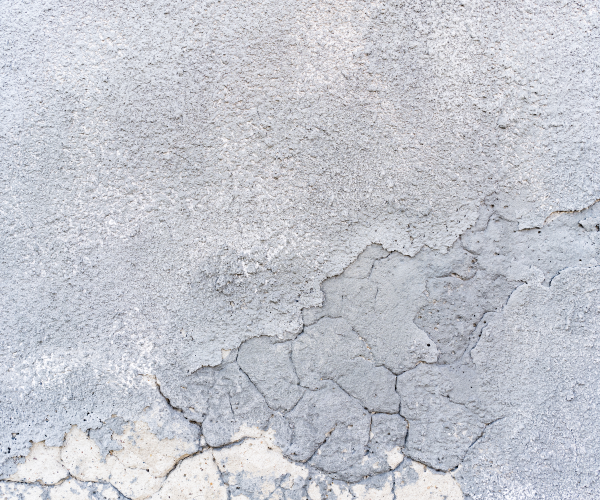
Shallow fissures or crazing caused by premature drying or excessive finishing of the concrete surface.
Develop within hours after placement when surface moisture evaporates faster than bleed water can replenish it.
Prevention
Methods to Minimise Concrete Cracking
Accurate Mixing and Effective Curing
Correct mix proportions, an appropriate water-cement ratio, and adequate curing duration help minimise cracking considerably.
Strategic Control Joint Placement
Control joints accommodate concrete movement, helping manage shrinkage stresses and minimise uncontrolled cracking.
Adequate Reinforcement
Steel bars and wire mesh distribute structural loads more evenly, helping reduce crack development.
Protective Surface Sealing
Concrete sealants help limit moisture penetration and protect surfaces against temperature-related exposure.
Thorough Foundation Preparation
Proper ground preparation before concrete placement helps minimise settlement-related cracking.
Consistent Moisture Retention
Maintaining moisture during early curing helps control shrinkage and supports continued strength development.
Repair
Effective Solutions for Concrete Crack Repair
Practical repair methods designed to restore concrete integrity.
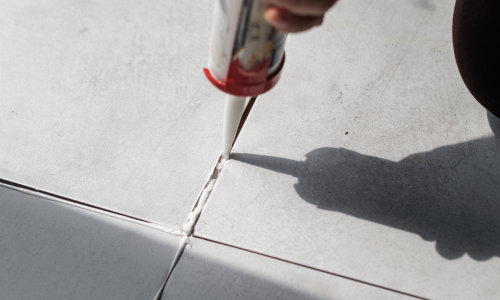
Epoxy Injection and Crack Filling
Fills structural concrete cracks, restores continuity, and helps prevent water infiltration.
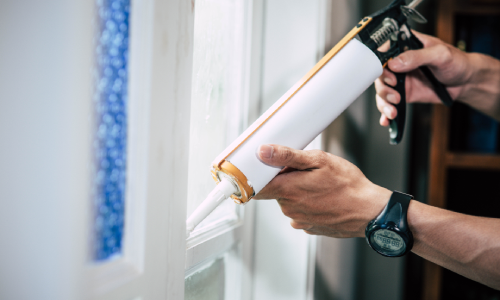
Polyurethane Foam Injection
Seals leaking cracks by expanding within openings and filling surrounding voids.
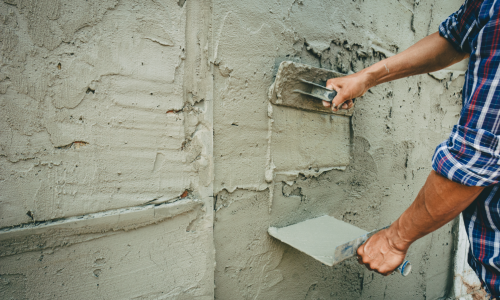
Concrete Surface Restoration
Repairs minor surface cracks using specialised compounds to enhance the concrete finish.
Myths
Common Misconceptions About Concrete Cracking
Essential Steps for Crack Assessment
- 1
Visual Surface Assessment
Inspect floors, walls, and foundations carefully for visible cracks.
- 2
Measure Crack Dimensions
Assess each crack by measuring its length and width accurately.
- 3
Evaluate Environmental Conditions
Monitor weather variations, particularly rainfall patterns and temperature fluctuations.
- 4
Take Timely Corrective Action
When cracks widen or water infiltration becomes possible, seek professional assessment promptly.
Essential Concrete Maintenance Practices
- Inspect surfaces regularly for damage.
- Repair minor cracks promptly.
- Monitor temperature and moisture variations.
- Ensure adequate concrete curing.
- Apply suitable protective sealants.
- Seek expert guidance for significant cracks.